
Category: STORIES AND INSIGHTS
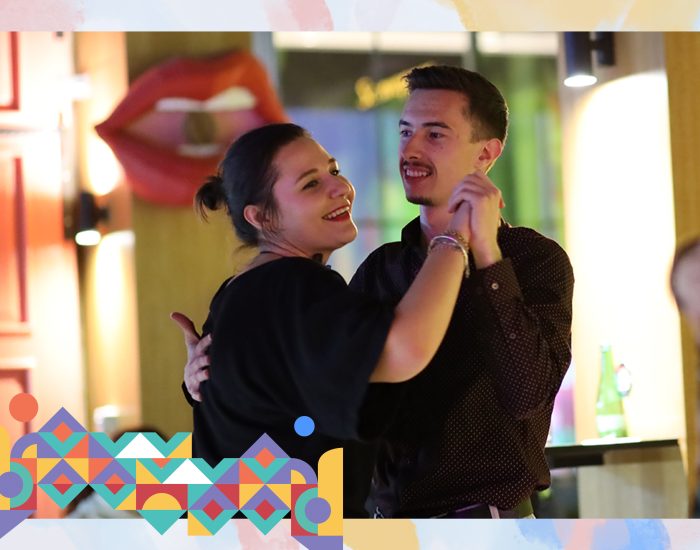
Chasing the Bliss: A Tango Reflection from Podgorica
Angela Nastevska (young mentor in Familija Tangovi)
There’s a quiet ritual I’ve fallen into when I’m not dancing—a kind of meditative observation.
I sit close to the edge of the dance floor, not quite part of the action, yet completely
immersed in it. At a recent small festival in Podgorica, Montenegro, I found myself in that
familiar spot again. New venue, new city, same habit.
Usually, these moments stir reflections on the beauty of tango—the silent communication,
the poetics of movement. But this time, something else struck me. As I watched the
tangueros on the dancefloor, I began to recognize many of the faces. Dancers I’d seen in
Sarajevo, Belgrade, Skopje…
And a question emerged:
What drives so many of us to travel across cities and borders—for a dance?
That thought stayed with me. I carried it into my first tandas of the night, which
were—truthfully—stressful. Dancing with strangers as a relative beginner (barely a year into
this tango journey) is never easy. Every embrace is a new language to decode. You wonder:
Am I good enough? Will they enjoy dancing with me?
But as the music continued and the hours unfolded, something softened. I stopped
obsessing over technique and comparison. I reminded myself that this journey is mine. It’s
not a race. There will always be better dancers—and that’s okay. I’m here because I love it.
The next day I found myself in conversation with a much more experienced dancer who
invited me to dance. I was nervous—intimidated, even—but I said yes. And once we began,
something magical happened.
My body moved without thought. There was no internal chatter, no planning the next step.
Just sensation, music, connection. We glided through the tanda in a kind of shared
presence. I was no longer aware of time, or space, or even myself. My body and mind were
entirely in sync.
Flow.
It’s rare. That altered state where everything aligns—the body knows exactly what to do, and
the mind lets go. You’re no longer dancing consciously; you are the dance.
When the tanda ended, my partner smiled, thanked me, and walked me back to my seat.
And as I sat there, still flushed with the afterglow of that experience, I finally understood.
That is why we travel.
We’re not just moving from city to city for milongas and tandas. We’re chasing those rare
moments of flow—those brief instances when two people, often strangers, connect so
completely that the world seems to disappear.
Tango is addictive—not because it’s glamorous or even always enjoyable. But because
every so often, it offers you a glimpse of something sublime. Something real. And it’s that
possibility, that promise, that keeps us coming back.
Coming to the next city, the next embrace, the next tanda.
The Day I Danced Tango in a Place I Never Expected
Eli Martinova (young mentor in Familija Tangovi)
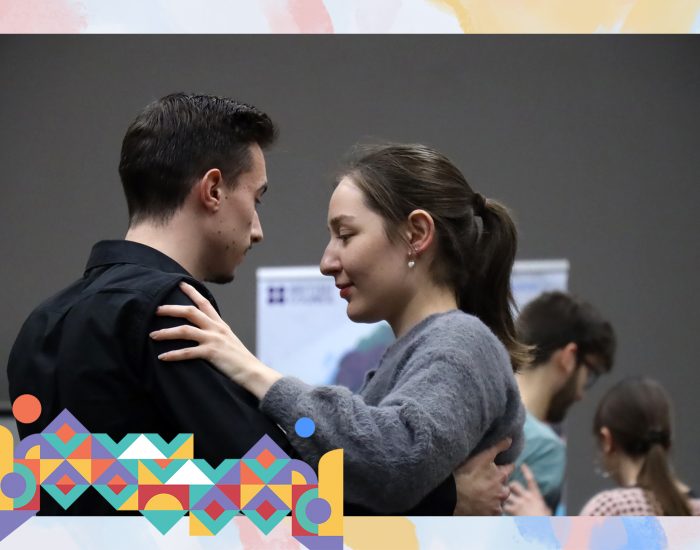
Spontaneity and ease, that’s how I would describe the moments that involve tango in my life. Something I would have never expected is to find myself dancing tango in front of a bakery. And with someone who doesn’t even dance tango. Уet, the moment flowed so naturally, it became an unexpected attraction for my friends. In that moment, I was the follower and he took on the role of the leader. Despite having no experience, he embraced the role with surprising ease. Since then, I no longer limit myself to where or when I dance. Every moment holds the potential for dancing tango. Тhere is no perfect time or place, only the willingness to surrender to it.
Tango and the Art of Letting Go: Trusting the Music, My Partner, and Myself
Evgenija Jovanova (young mentor in Familija Tangovi Skopje)
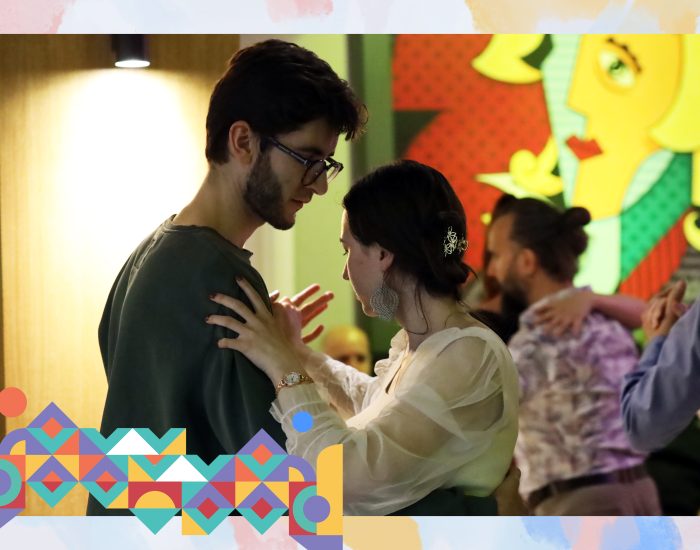
In the beginning, I struggled with patience; I couldn’t wait for my partner to initiate the steps—I constantly anticipated and rushed ahead. This impulsiveness not only disrupted my own rhythm but also threw the entire dance into disarray.
Over time, however, I came to understand the art of tango: its beauty lies in surrendering to the moment and allowing your partner to lead. Once I embraced this idea and stopped forcing the motion, the dance magically transformed. What was once hurried and tense became fluid and harmonious, as if the music itself had softened in response to my surrender.
After surrendering to the magic of letting go, everything seemed as if it came from a different universe—more colorful, peaceful and powerful.
Learning While Teaching: How My Mentees Inspire Me
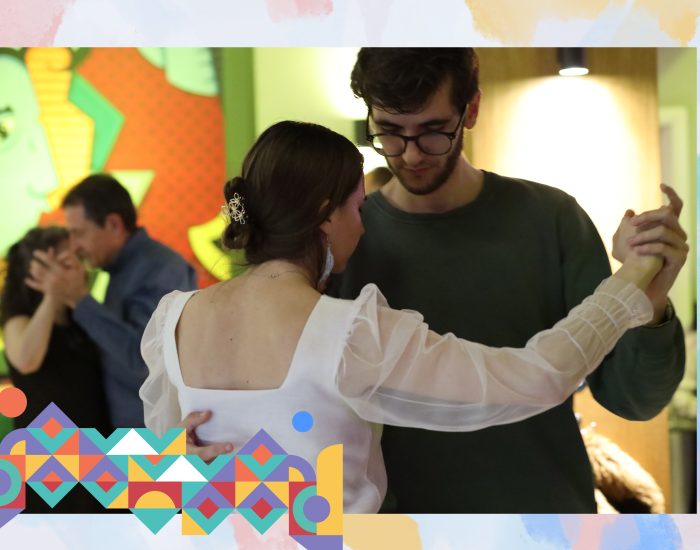
Each class in the Tango Unity project carries an inspiring energy that feels almost magical. Watching our mentees tackle the same challenges we faced just a year ago—with a spark in their eyes, eager to absorb everything they can—fills me with inspiration. As young mentors, being part of their journey and witnessing them experience the world in this new way is truly rewarding.
Seeing a pair of dancers struggle with a new move or technique, then guiding them through the process of finding the best way to understand it—tailored to their skills, knowledge, and learning style—is a journey in itself. And the outcome? Watching those same dancers accomplish what once seemed impossible just moments before is both gratifying and delightful.
Our mentees inspire me with their progress and the unique style of dancing they have developed in such a short time. Their growth is a testament to the significance of our work as young mentors, and it motivates us to continue guiding them on their tango journey.
From my personal experience, when advancing in the early years of tango, there is often an eagerness to learn flashy new moves while overlooking the importance of proper technique. But technique is best mastered through the basics. Teaching our mentees fundamental patterns I’ve practiced hundreds of times allows me to slow down and refine my own technique in the process.
There is an eagerness to learn in our mentees, and when the learners are excited to learn, the teachers are excited to teach. This inspiring energy pushes me to give my best—to focus on improving my own technique in the moment of teaching and to devote all my energy to ensuring our mentees have a wonderful tango experience.
Simon Anastasov
Tango and Self-Expression: Finding My Own Style in Dance and Life
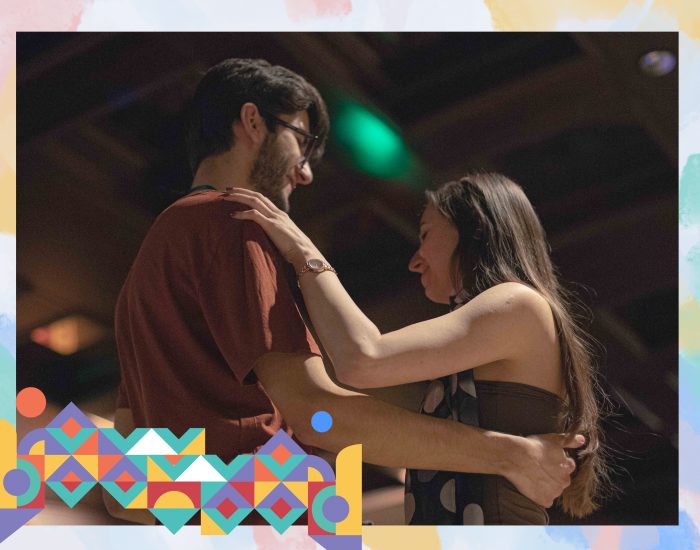
Tango is not just a dance; it’s power, confidence, and a lifestyle. Once I began delving into its enchanting spirit, I couldn’t do anything but embrace its glamour. Not only did I return to it as a form of entertainment and a hobby, but I also became more conscious of my own posture and movement. Tango has helped me become a more meticulous person—one who dismantles things and observes their core.
Tango holds a miraculous power that transports me into a realm where words fall silent, emotions take over, and music reigns. I always strive to learn the movements as much as possible, but that does not mean I cannot enjoy dancing before reaching perfection—because perfection will always have another layer above it. Nothing else matters as long as you embrace the beauty of the dance, the charm it possesses, and the positive energy it provides.
I focus on embracing authenticity, and tango helps me achieve that. I see tango as a space where freedom takes priority, and margins are simply pages where you read the beautiful stories of others.
Evgenija Jovanova
Lessons from Tango That Apply to Everyday Life
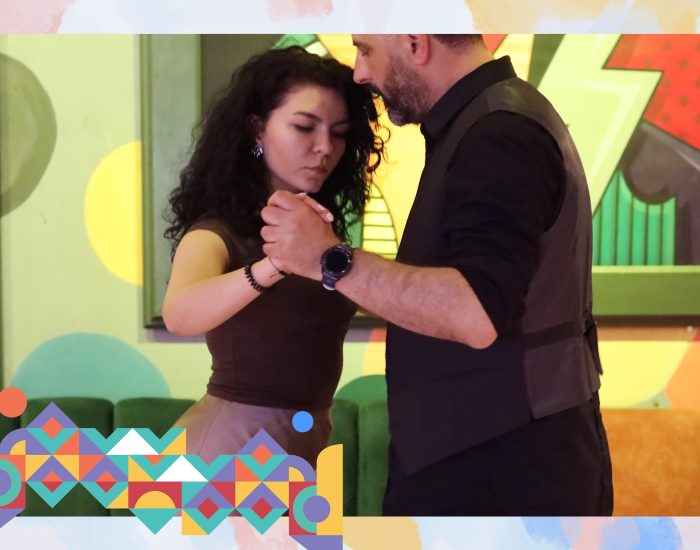
Tango isn’t just a dance—it’s a way of life. When I first started learning it, I quickly realized how many of its lessons can be applied to our everyday interactions and experiences.
One of the first lessons that stood out to me was the importance of connection. In tango, you can’t just go through the motions; you have to truly tune in to your partner, responding to their movements and energy. The same applies to life—whether in a conversation or at work, being genuinely present and engaged makes all the difference in building meaningful relationships.
Then there’s the balance between leading and following. In tango, one person leads, and the other follows, but both roles are equally crucial. It made me realize how important it is in life to know when to take charge and when to step back and let others lead. Finding this balance—whether in teamwork or personal relationships—helps things run smoothly.
Tango is also all about improvisation. There’s no rigid script to follow; each step is a response to the moment. I’ve learned this lesson in life as well—things rarely go as planned, and being flexible is essential. Instead of resisting the unexpected, embracing it and adapting as needed makes the journey much easier.
Patience is another valuable takeaway. Every move in tango has its own timing, and each pause serves a purpose. In life, I’ve often found myself rushing, feeling pressured to make quick decisions. But I’ve realized that waiting for the right moment and allowing things to unfold naturally often leads to better outcomes.
Then there’s trust and vulnerability. In tango, both partners must trust each other completely—whether leading or following. It’s a reminder that in life, being vulnerable and allowing ourselves to trust others can create deeper connections. Without openness, it’s difficult to form genuine relationships.
Lastly, tango has taught me resilience. Mistakes are inevitable—maybe you trip, miss a step, or lose your rhythm. But the beauty of tango lies in how you recover and keep going, seamlessly adjusting to the moment. Life is no different—setbacks happen, but how we respond to them defines our journey. Learning to bounce back instead of dwelling on failures makes all the difference.
For me, tango isn’t just a dance—it’s a constant reminder to connect, adapt, be patient, trust, and stay resilient. These lessons shape the way I approach life every day.
Marija Postolova
How Tango Helps Build Confidence, Patience, and Connection
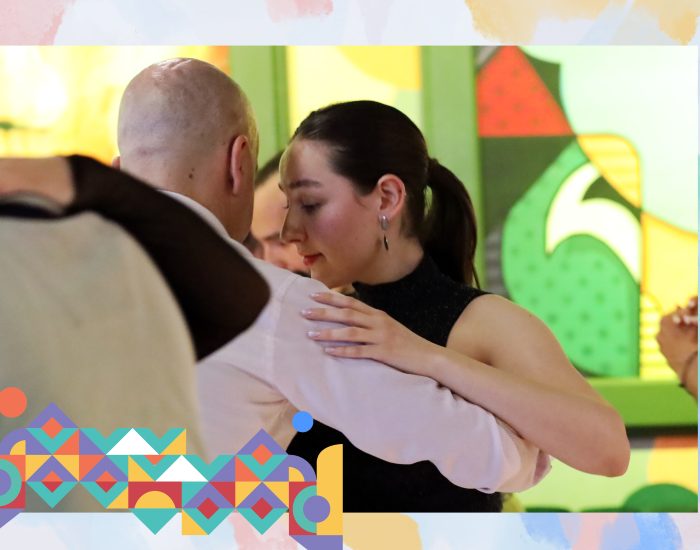
For me, tango is more than just a dance; it is a powerful tool for personal growth and transformation. The unique blend of movement, music, and connection fosters confidence, patience, and deep interpersonal bonds.
As a follower, I build my confidence through my own balance and ability to interpret subtle signals. As a leader, my confidence comes from making decisive choices and guiding my partner with clarity. Over time, I feel more comfortable in my own body and movements, carrying this self-assurance into other areas of life. By regularly stepping onto the dance floor and embracing different partners, I learn to project confidence, even when improvising or facing unfamiliar situations. Personality, along with elegance and rhythm, are aspects that can not only be seen but also felt on the dance floor.
Patience is also key in developing a strong connection with a partner. Learning to sense their movements, adjust to their rhythm, and synchronize effortlessly requires a deep level of understanding that only time and practice can bring. This allows me to embrace the learning process rather than rush toward perfection.
What I love most about tango is the embrace—a fundamental element of the dance—that establishes a silent communication where words are unnecessary. It also helps develop heightened sensitivity to nonverbal cues, allowing us to listen with our bodies rather than our ears. Beyond the physical connection, tango fosters emotional and social bonds. It encourages empathy when dancing with different partners, as each brings a unique style and energy to the dance. The sense of community in tango is so strong that it creates friendships that extend beyond the dance floor.
Tango is much more than an art form; it is a journey of self-discovery. Through its intricate movements and deep emotional expression, it builds confidence, nurtures patience, and strengthens human connection. Whether one is a beginner or an experienced dancer, the lessons learned on the tango floor can positively impact many aspects of life, making it a dance of both elegance and transformation.
Eli Martinova
What Keeps Me in Tango: The Magic in the Steps!
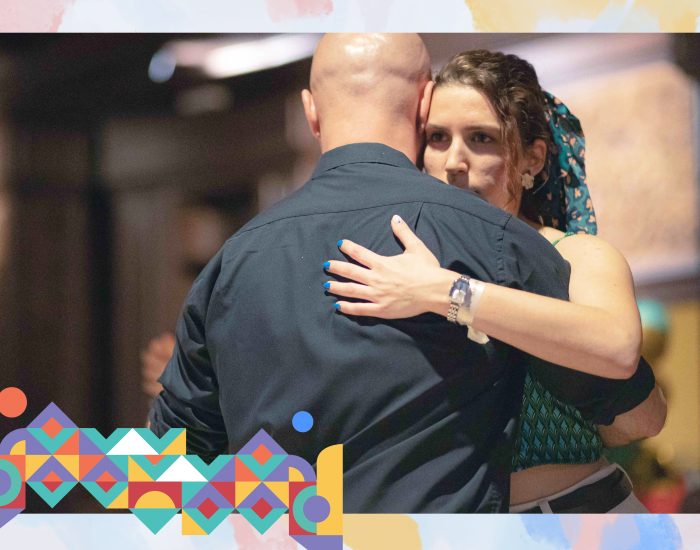
I’ve said it before—tango is a dance of passion, sorrow, and joy. But what makes it truly unique is that it is never the same. It’s a conversation between two souls, a silent language spoken through touch and movement. Every step leaves room for intuition and personal expression, demanding not just your body, but your heart as well.
This is where the magic of tango lies. What keeps me in tango is the way it draws me into its embrace, making time and the world fade away. In that moment, only the floor and my partner exist—my companions in the dance. The magic isn’t in the steps themselves, but in the emotions they awaken and in the deep, timeless connection that forms between bodies and souls.
Tango—a unique art that transcends all barriers!
Stefanija Angelovska
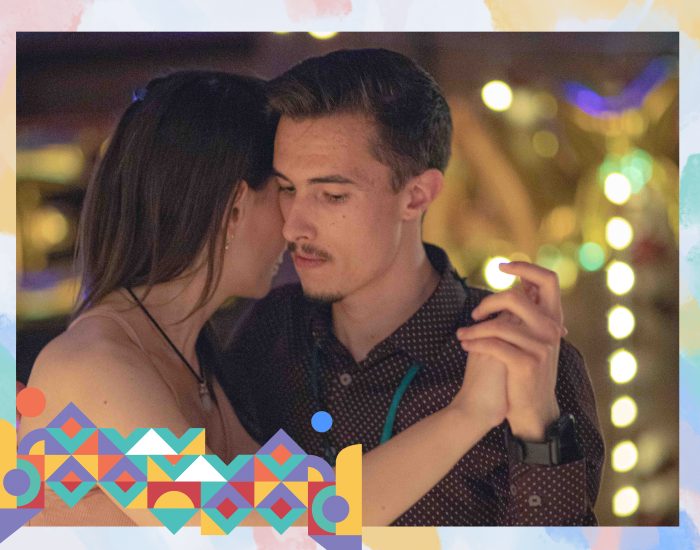
Tango: A Dance That Becomes a Way of Life
At first, tango might seem like just another dance—simple, elegant, nothing too complicated. But the moment you dive deeper, you realize it’s so much more. It becomes a ritual, a space to recharge, a way to reconnect with yourself.
Like anything in life, the more you invest in it, the more it gives back. Everything is connected—energy flows from one experience to another, shaping the way we grow and learn. Tango is no exception. It teaches patience, dedication, and the beauty of being fully present, reminding us that even the words we just read are already in the past.
What makes tango truly special is the way it challenges both the mind and body. It pushes you to discover new movements, to sync effortlessly with the music, and to embrace the moment without overthinking. It’s an all-in-one experience—physical, mental, and emotional. You don’t need a gym or a playlist; tango is both your workout and your soundtrack.
And then there’s the connection—the silent conversations that happen through movement. In tango, you don’t need words to communicate. A subtle shift, a gentle lead, a shared rhythm—everything flows without a single spoken word. It sharpens your awareness, builds emotional intelligence, and opens doors to new friendships. You meet people from all walks of life, yet on the dance floor, you’re all the same—moving to the same beat, sharing the same energy.
But be warned—tango has a way of getting under your skin. One moment, you’re just trying it out. The next, you can’t imagine a day without it. And when that happens, you’ll want to pull others into its magic—to share the energy, the passion, the pure joy of movement. Because tango isn’t just a dance—it’s a way of life.
Ignasio Jovanov
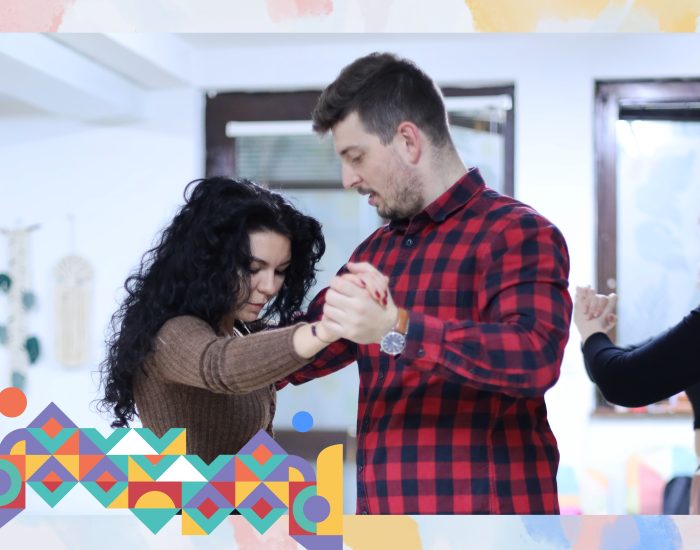
How Teaching Tango Helped Me Grow as a Person
Ever since I first stepped into the tango studio, I was intrigued. I had a brief background in ballroom dancing, which gave me a solid foundation to start learning tango and master the steps in my first choreography.
However, it wasn’t until I was called to be a young mentor—teaching students much younger than me, many with no prior dance experience—that I began to truly understand what tango entails.
As the famous Robert Heinlein quote states, “When one teaches, two learn.”
It wasn’t just about the steps, rhythm, posture, or frame. Teaching tango required me to impart something even more important—the energy and mindset behind the dance. That was the real challenge. These are things a student must experience to understand; they cannot simply be explained.
This same energy now guides me in my everyday life—a zest for living and a love for harmony, the kind that can only be created when two souls align their movements.
As a student, I learned the physical movements of tango. But as a mentor, I learned the mental and spiritual aspects of the dance—because without them, there is nothing truly worth teaching.
Mihael Berberu