The Biggest Lesson I Learned from Tango: To Be Fully Present
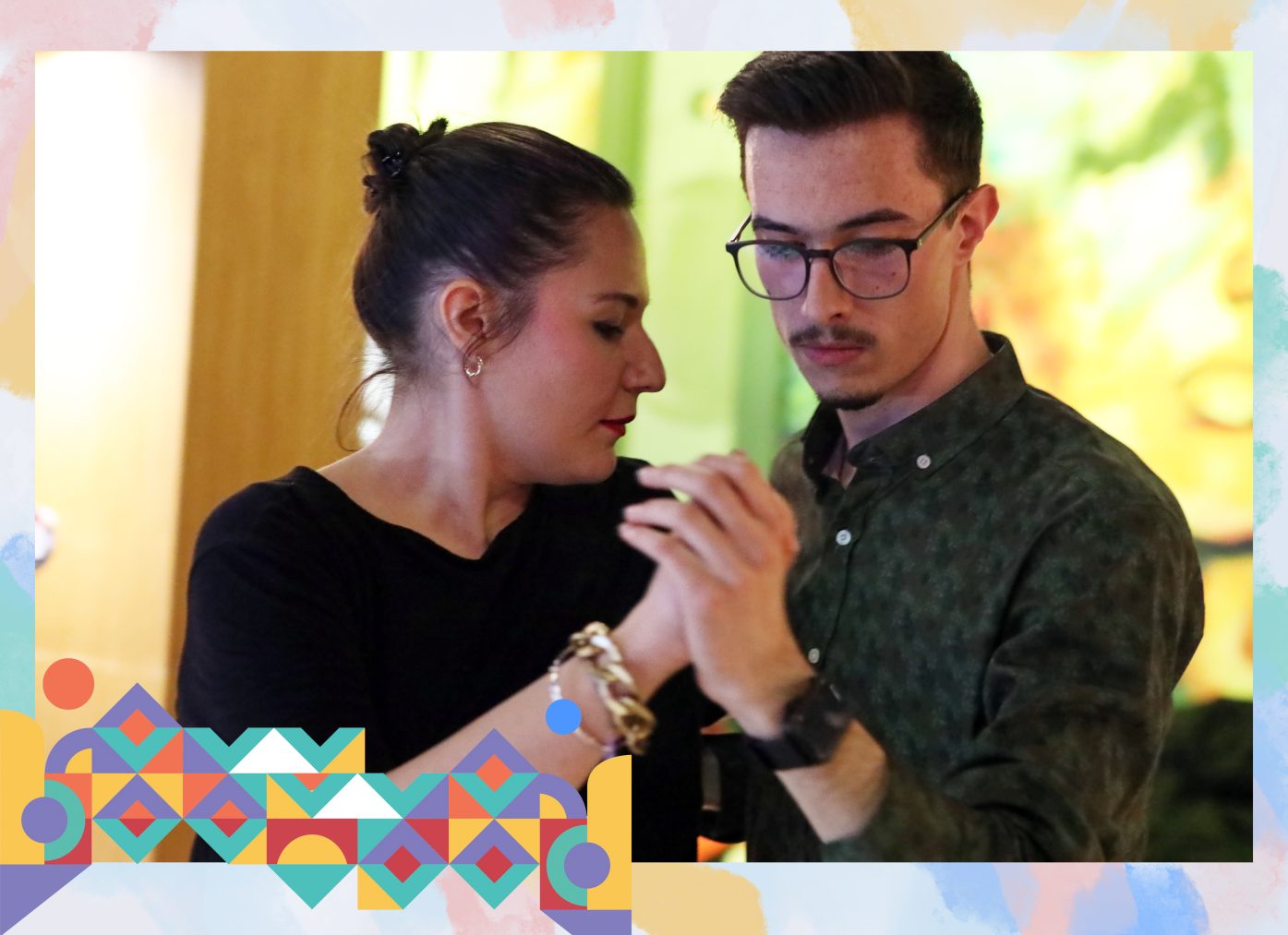
It begins the moment you take the embrace—a subtle tilt of the head, a gentle contact between chests, the quiet agreement between two people to listen—fully, entirely—to each other through movement. That is how tango teaches presence. And presence, as I have come to understand it on the dance floor, is not merely a spiritual concept—it is a visceral, disciplined practice.
Before I learned tango, I associated mindfulness with meditation cushions, incense, and guided breaths. Tango, however, delivered the same truths in high heels and long skirts. It pulled me away from thought and into sensation. It demanded that I not just be present but remain present—bearing the full weight of awareness, moment by moment, with someone else’s body.
Tango is an act of co-creation. There is no script, only the music and two nervous systems trying to find a shared rhythm. This is not a dance you can fake your way through. If your mind drifts, your partner will feel it.
I remember a milonga when this lesson hit me. The room swirled with ochos as I stepped into an embrace with a stranger, and before we even moved, I felt it: the magnetic stillness of his attention. I had to meet him there, in that quiet alertness, empty of thought or anticipation. Our first step wasn’t a step—it was a breath, and in it, I found a silence that wasn’t absence but presence.
For three minutes, I wasn’t dancing so much as listening with my chest and responding with my spine. That’s when it clicked: tango is meditation—a moving one. You enter the tanda like a monk enters the zendo—not with incense and cushions, but with the same devotion to awareness, attunement, and letting go.
But here’s the twist—tango demands relational mindfulness. You don’t just observe your own thoughts or sensations; you open to another’s. You feel their heartbeat, their weight shifting, their hesitation before a pivot. You sense the story they’re telling through their frame and add your own sentence without interrupting the flow. It’s a duet, but also a dialogue.
Over time, this practice of presence has seeped into the rest of my life. I notice how often I speak before listening or rush through things to get to the next moment. Tango reminds me to wait—to be in the pause. It reminds me that sometimes, the most powerful movement is stillness. That a single, well-timed step carries more meaning than a flurry of rushed ones.
Tango also humbled me. It revealed my need to control, to anticipate, to perform. And then, it gently dismantled those tendencies. It invited me to soften, to trust the process—even if I didn’t know where the next beat would take me. And isn’t that the greatest dance of all? To step boldly into the unknown, fully awake, fully aware, and willing to be changed?
So, the biggest lesson I learned from tango is this: presence is not a luxury. It’s a discipline. A devotion. Whether you find it in stillness or in movement, in silence or in song, it’s the anchor to your truest self—and the bridge to others.
Angela Nasteska